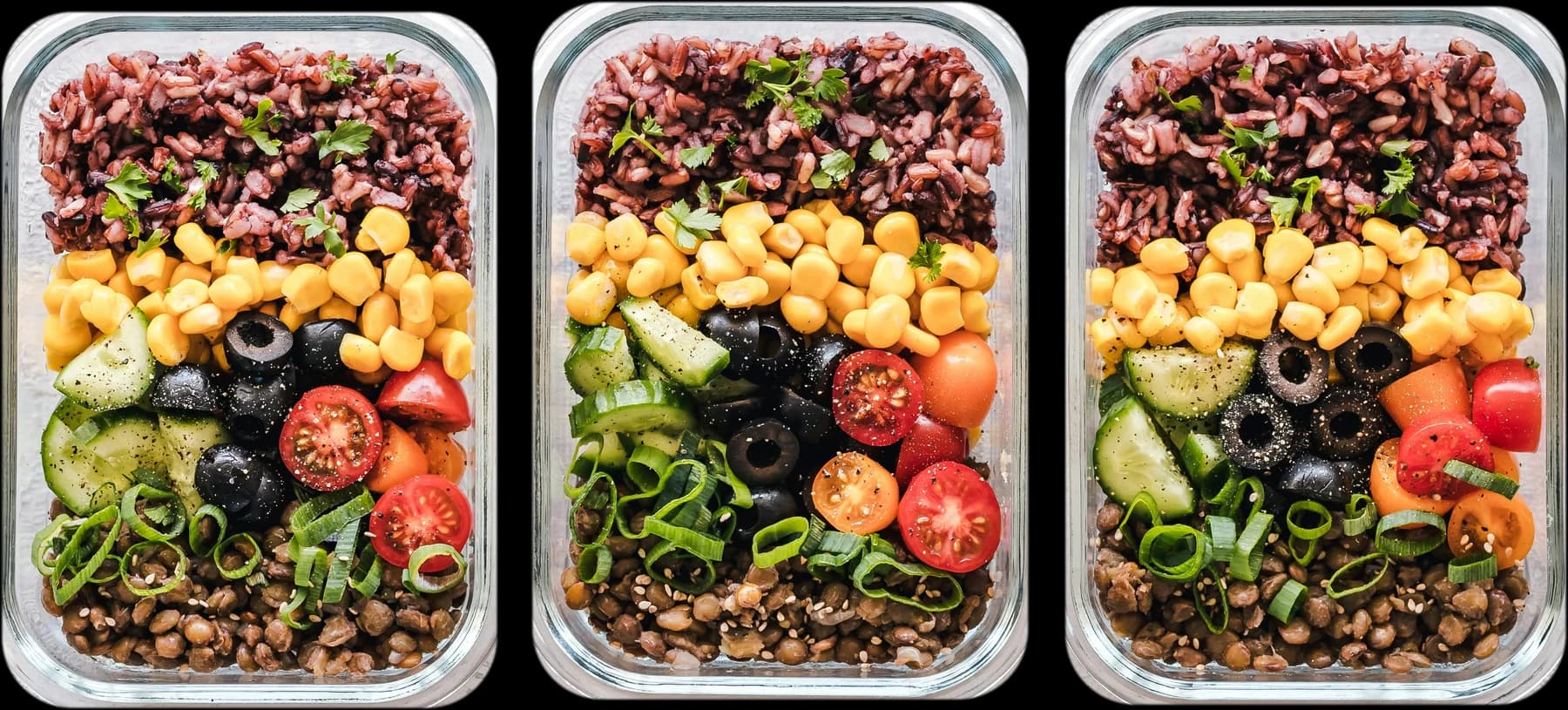
Easy Nigerian Meal Prep: A Week of Home-Cooked Meals From One Sunday
One pepper base, a pot of beans, a soup and a protein: a simple Sunday plan that turns into a week of jollof, stew, ewa and egusi.
On this page
If you grew up in a Nigerian home, you already know meal prep. It's the big pot of stew on Sunday, the freezer full of ice-cream tubs that definitely don't contain ice cream, and the comfort of knowing there's "food at home."
This guide takes that tradition and makes it a little more organised. With one cooking session, a few building blocks become a week of easy Nigerian meals: jollof, rice and stew, ewa and dodo, egusi and more.
Why Nigerian food is made for meal prep
Many Nigerian dishes get better after a day. Stews and soups deepen in flavour, beans soften, and proteins soak up seasoning. Most of the work is in the base, and once that's done, each meal comes together in minutes.
The trick is to prep the parts that keep well, and leave the few things that don't for the day you eat them.
Your five building blocks
A pepper base: blended tatashe, tomatoes, a little rodo and onions, fried down in oil. It's the start of your stew, jollof and soups.
A seasoned protein: chicken, beef, turkey or fish, boiled with onion, seasoning and spices. Keep the stock, because it's liquid gold for jollof and soups.
A pot of beans: honey beans or black-eyed beans, cooked until soft.
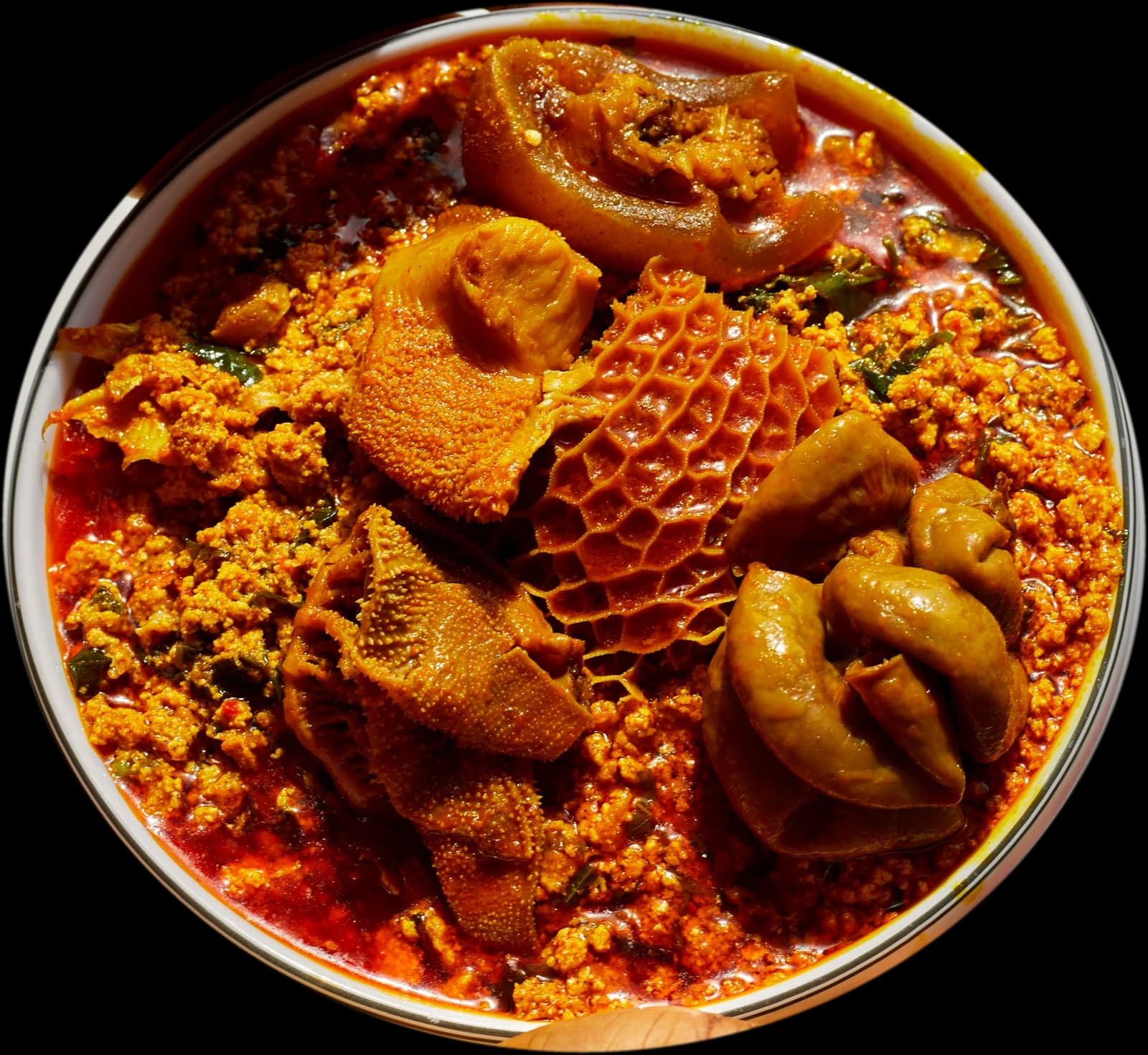
A soup: egusi or efo riro, both of which store well.
Your greens: washed and chopped ugu, spinach or kale, ready to stir into stews and soups.
The Sunday plan: about two hours
Start the protein. Season and boil your chicken or beef first, so it cooks while you do everything else.
Get the beans going. Pick, rinse and boil the beans. A pressure pot cuts the time a lot.
Blend and fry the pepper base. Fry it down until the oil rises to the top and the raw taste is gone.
Split the base three ways. Use one part for stew, keep one part for jollof later in the week, and use the last part for your soup.
Make the soup. Add egusi or vegetables to its share of the base with some of the protein and stock.
Grill or fry the protein if you like it crispy, then let everything cool.
Portion and store. Use shallow containers, label them with the date, and get them into the fridge or freezer as soon as they've cooled.
A week of Nigerian dinners from one prep
Monday, rice and stew with chicken. Fresh on the day: boil the rice (20 minutes).
Tuesday, ewa and dodo. Fresh on the day: fry the plantain.
Wednesday, jollof rice with protein and steamed vegetables. Fresh on the day: cook the jollof with your saved base and stock.
Thursday, egusi with your swallow of choice. Fresh on the day: make the swallow.
Friday, fresh night. Pepper soup, or something new.
Add moi moi to the plan if you want easy lunches or breakfasts. It freezes well and reheats in minutes.
Rice needs extra care
Rice is the one thing to be strict about. The NHS advises cooling cooked rice within about an hour, keeping it in the fridge for no more than a day, reheating it until it's steaming hot all the way through, and never reheating it more than once.
That's why this plan cooks rice fresh on the day, which only takes 20 minutes. If you'd rather batch-cook jollof, freeze it in single portions as soon as it has cooled, then reheat one portion at a time.
How long everything keeps
The US Department of Agriculture says cooked meals keep for three to four days in the fridge and three to four months in the freezer. So eat Monday to Wednesday's portions from the fridge, and freeze anything meant for later.
If power cuts are common where you live, lean on the freezer more than the fridge. A full freezer that stays closed holds its cold far longer than a fridge does. Freeze stew, soup and protein in single portions, so you only thaw what you need.
What to make fresh
A few Nigerian favourites don't prep well. They're quick to make on the day:
Swallows like eba, amala and pounded yam go hard in the fridge. Make them fresh in a few minutes.
Dodo turns soggy. Fry it just before you eat.
Akara loses its crunch. Enjoy it hot.
Okra soup is best within a day or two, as it gets slimy and loses its colour.
Keep it balanced
Nigerian food can be wonderfully nourishing with a few small habits:
Add greens everywhere. Stir ugu or spinach into stews and soups at the end.
Go easy on seasoning cubes. They're high in salt, so use fewer and lean on onions, garlic, ginger, curry and thyme instead.
Measure the oil. You need far less palm or vegetable oil than most recipes use.
Make beans a regular. They're cheap and filling, and give you protein and fibre.
One good Sunday sets up a whole week. Start with the pepper base and a pot of beans, and add more building blocks as it gets easier.
Mealxr plans your week around the ingredients in your kitchen, including the Nigerian staples you cook with every day. Join the waitlist to be first in.
- meal prep
- nigerian food
- meal planning
- batch cooking