What Does a Healthy Diet Actually Look Like?
Confused by conflicting nutrition advice? A simple plate, the key numbers from the WHO and a sample day of ordinary, balanced meals.
On this page
One week carbs are the enemy. The next, it's fat, then sugar, then eating after 6pm. No wonder "healthy diet" is one of the most searched food questions there is.
The good news is that the basics haven't really changed, and they're simpler than the internet makes them look. A healthy diet is mostly plants, enough protein, whole grains over refined ones, and less sugar and salt, eaten in amounts that suit your body and your goals.
Start with the plate
Forget counting everything for a moment. A simple rule of thumb works for most meals:
Half your plate: vegetables and fruit, in as many colours as you can manage
A quarter: protein, such as beans, lentils, fish, eggs, chicken, tofu or lean meat
A quarter: whole grains or starchy foods, like brown rice, oats, whole-wheat bread, yam or potatoes
A little healthy fat: olive oil, nuts, seeds or avocado
Water as your main drink
You won't hit this perfectly every time, and that's fine. It's a guide for most meals, not a rule for every bite.
The key numbers, according to the WHO
The World Health Organization's healthy diet guidance comes down to a few clear targets for adults:
Fruit and vegetables: at least 400 g a day. That's about five portions. Potatoes, cassava and other starchy roots don't count.
Free sugars: under 10% of daily energy, ideally under 5%. That's under about 50 g, or 12 teaspoons, on a 2,000-calorie day.
Salt: under 5 g a day. That's about one teaspoon, including the salt already in food.
Everyday staples: legumes, nuts and whole grains. Think beans, lentils, oats and brown rice.
"Free sugars" includes sugar added by you or the manufacturer, plus the sugar in honey, syrups and fruit juice. It doesn't include the sugar naturally found in whole fruit.
What a healthy day of eating can look like
Here's one example day that follows the plate and the numbers above:
Breakfast: oats cooked with milk, topped with banana and a handful of nuts
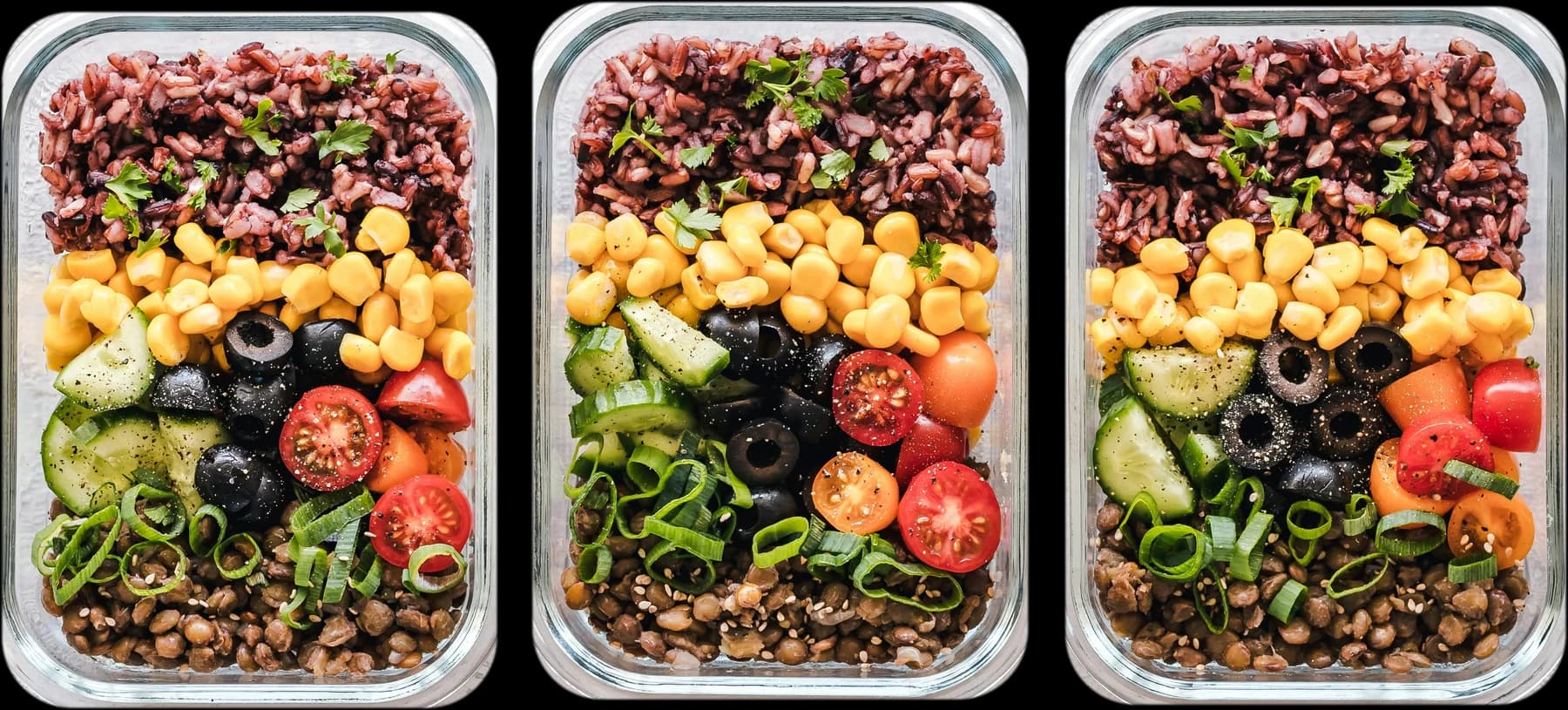
Lunch: brown rice bowl with beans, roasted peppers, cucumber and a yoghurt dressing
Snack: an apple and a few slices of cheese, or hummus with carrot sticks
Dinner: grilled fish or moi moi with a big portion of sautéed greens and some yam
Notice what's not there: nothing is banned, and nothing is exotic. It's ordinary food in better proportions.
What about losing weight?
If you're wondering how to diet for weight loss, the same plate still applies. What changes is mostly the amount. Eating a little less than your body uses, consistently, matters more than any single "magic" food.
Meals high in protein, fibre and vegetables help you feel full on fewer calories. Planning ahead helps you avoid the hungry, last-minute choices that undo good intentions. If you have a medical condition, are pregnant or need to lose a lot of weight, talk to a doctor or registered dietitian before changing how you eat.
Three healthy-eating myths worth dropping
"Carbs are bad." Whole grains, beans and fruit are carbs, and they're part of a healthy diet. It's refined, sugary carbs worth cutting back on.
"You need a detox." Your liver and kidneys already do that job. A steady, balanced diet does more than any cleanse.
"Healthy food is expensive." Beans, lentils, oats, eggs, seasonal vegetables and frozen fruit are some of the cheapest foods there are.
Making it stick
Knowing what a healthy diet looks like is the easy part. Eating it on a busy Wednesday is harder. The most reliable fix is to plan your meals before the week starts, so the healthy option is already the easy one.
Mealxr plans balanced meals around your goals, your diet and what's in your kitchen, and tracks your nutrition as you go. Join the waitlist to be first in.
- healthy diet
- nutrition
- balanced eating
- weight loss